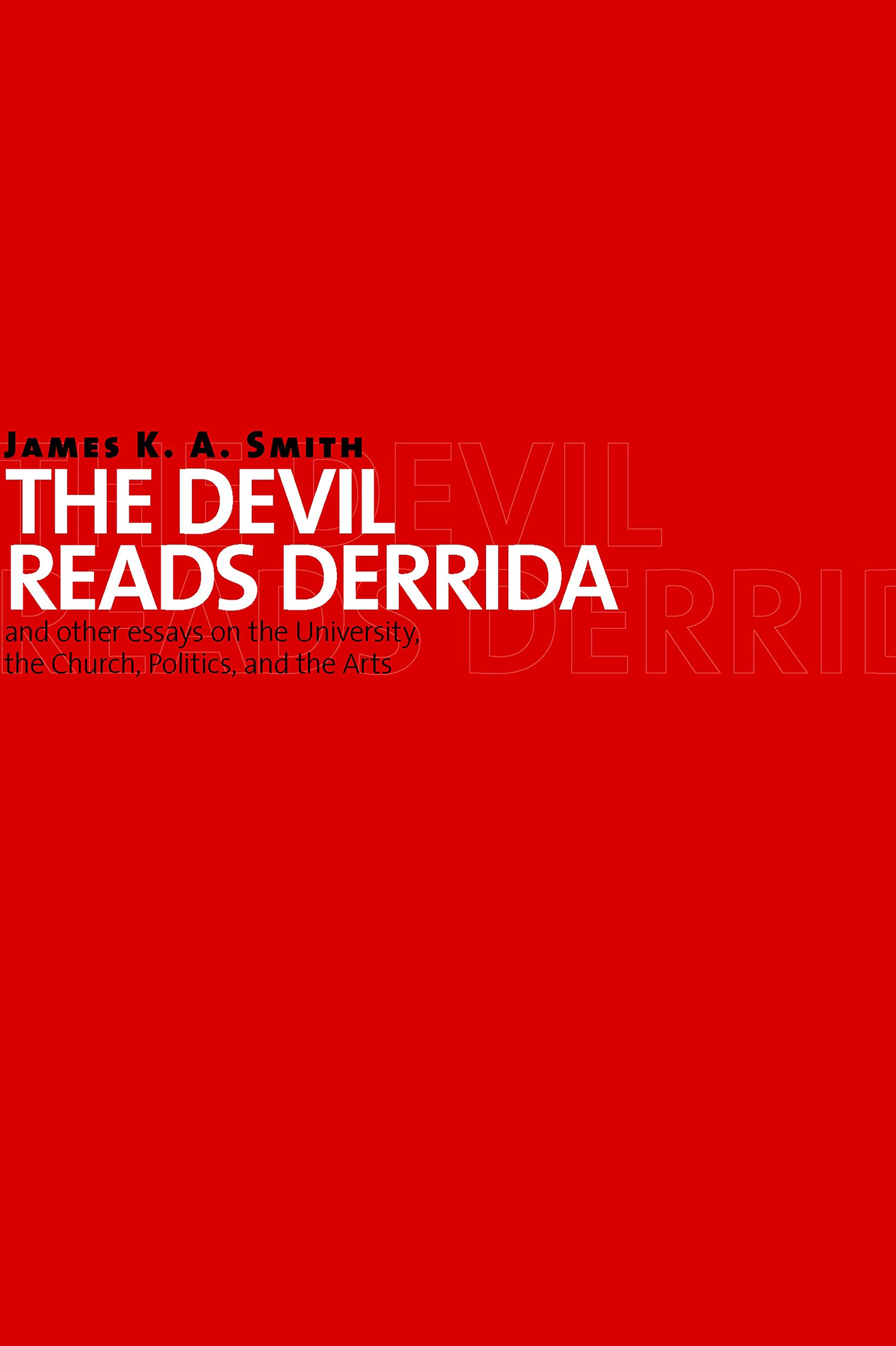
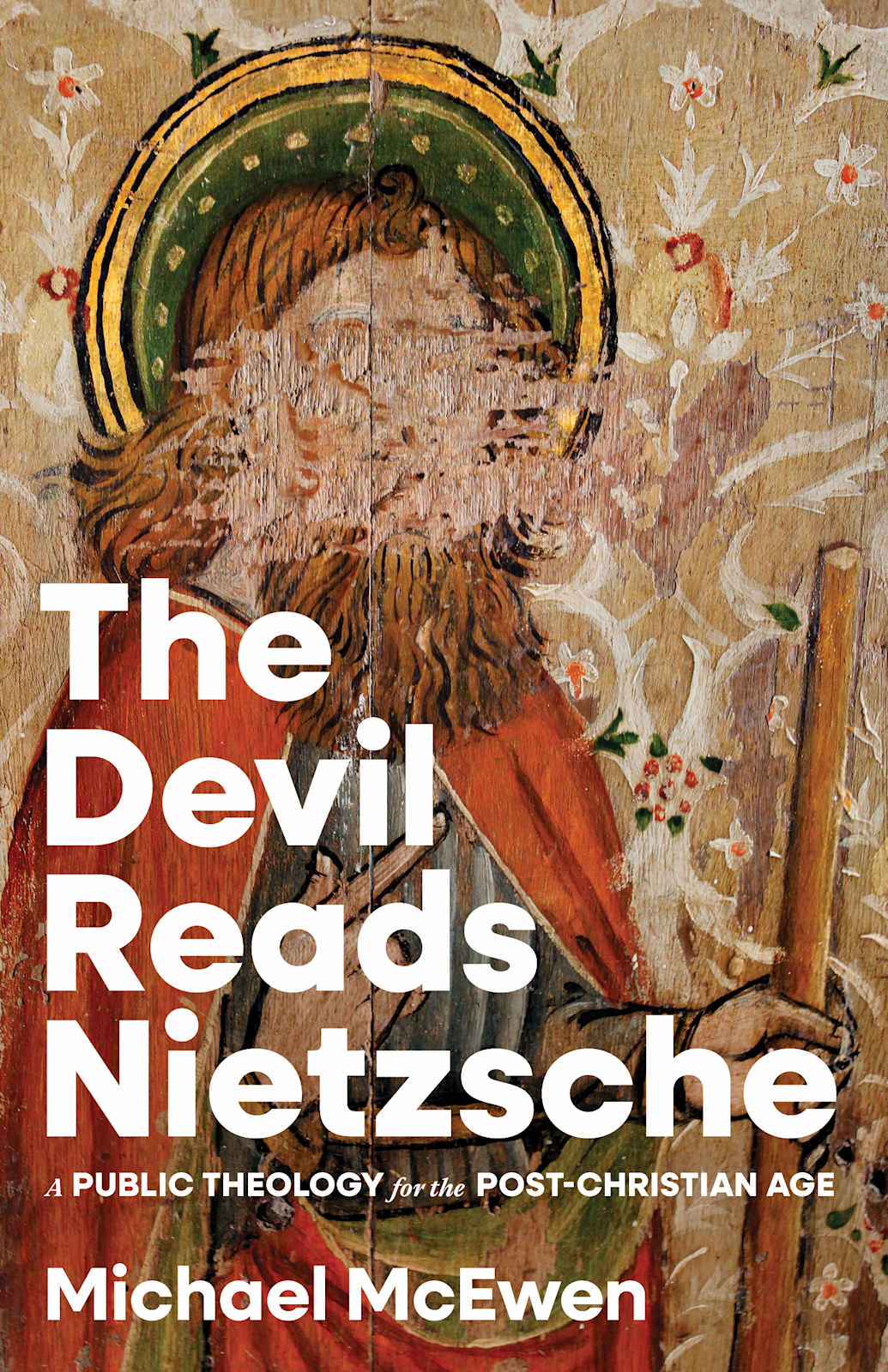
악마는 철학 공부에 관심이 많나 봅니다. 악마가 무슨 데리다도 읽고, 니체도 읽네요. 두 책은 모두 "악마는 프라다를 입는다(The Devil Wears Prada)"라는 제목에 대한 패러디인 것으로 보입니다. 제임스 스미스의 『악마는 데리다를 읽는다(The Devil Reads Derrida)』는 원래 알고 있었는데, 마이클 맥유언의 『악마는 니체를 읽는다(The Devil Reads Nietzche)』는 나온지 얼마 되지 않은 신간이네요.
두 책 모두 기독교 철학자와 기독교 신학자가 쓴 책이라는 점이 재미있네요. 그렇지만 '악마'가 데리다와 니체를 읽는다고 해서, 스미스나 맥유언이 데리다와 니체를 악마의 철학자라고 보는 것은 아닌 듯합니다.
제임스 스미스는 영어권의 대표적인 데리다 연구자 중 한 명인 존 카푸토의 제자입니다. 국내에도 스미스의 데리다 해설서인 『자크 데리다』가 번역되어 있죠. 다만, 카푸토는 데리다를 통해 '메시아 없는 메시아주의'나 '약한 신학'이라는 기획을 옹호하고자 하는 것과 달리, 스미스는 데리다의 철학이 지닌 의의를 높이 평가하면서도 데리다의 종교철학으로부터 벗어나 '급진정통주의'라는 기획을 옹호하고자 하죠. 전자는 기독교에서 플라톤주의적이고 신화적인 요소를 탈각시켜서 종교색이 적은 기독교를 도출해내고자 하는 반면, 후자는 플라톤주의가 없는 기독교야말로 본래의 가장 근본적이고 정통적인 기독교로 회귀할 수 있다고 강조하고자 하는 특징이 있습니다. 이러한 맥락에서 『악마는 데리다를 읽는다』도 (저는 이 책을 대략적으로만 훑어보았을 뿐이라 자세히는 모르지만,) 데리다의 사유를 바탕으로 하면서도 그의 사유에서 더 나아가, 기독교가 세속 문화, 학계, 교회를 어떻게 기독교적 시선으로 '읽어야' 하는가를 고민하는 논문들을 담고 있다고 합니다.
마이클 맥유언의 책은 '공공신학'이라는 주제를 다루고 있네요. 스미스의 책과 비슷하게, 기독교가 교회 바깥의 공적인 담론에서 어떠한 실천적 개입을 할 수 있는지에 대한 논의인 것 같습니다. 특별히, '니체'라는 이름이 중요하게 등장하는 것은, 니체가 '포스트 기독교 시대'의 사상적 기원이라는 사실 때문이네요. 더 이상 기독교 담론이 우리 시대에 지배적 위치를 지니지 못한다는 사실을 인정한다면, 그리고 우리 시대가 "신은 죽었다."라는 니체의 사유에 자신의 토대를 두고 있다고 한다면, 기독교가 세속 사회와 어떻게 대화해야 할 것인지는 결국 기독교가 니체와 어떻게 대화할 것인지로 범례화될 수 있을 것이니 말입니다. (저는 아직 이 책의 내용을 읽어보지는 못하였지만,) 목차를 살펴보니 "니체를 교회로 초청하기(Inviting Nietzsche to Church)"라는 제목의 챕터가 있는 것으로 보아서, 니체에 대해 마냥 부정적이거나 비판적인 태도를 취하는 책은 아닌 것으로 보입니다.
어떤 의미에서 McEwen이 니체를 교회로 초대하는 것인지 잘 모르겠지만, 니체와 기독교를 가깝게 두려는 시도는 신학뿐만 아니라 니체 전문 연구자들 사이에서도 종종 이루어지는 것도 같습니다. Nietzsche on Morality and the Affirmation of Life (Daniel Came, 2022) 의 2장 Nietzsche as a Christian Thinker 소개문입니다. 강조는 저의 것.
My own contribution also takes nihilism to be central to Nietzsche’s concerns, but understands it quite differently than Gemes, who regards Nietzsche as being unequivocally opposed to nihilism. I begin by presenting an account of Nietzsche’s project as a secularized version of the Christian project of theodicy, which implies, I argue, that he is complicit with the putatively life-denying presuppositions of Christianity. I also offer an assessment of Nietzsche’s later attempts to move away from the project of theodicy in the direction of a notion of life-affirmation that is free from the negative valuation of life inherent in his earlier approach. According to my interpretation, Nietzsche comes to adopt a deflationary position in respect of the whole question of theodicy. This approach, I argue, converges on two principal claims: first, since the ‘value of life cannot be assessed’ (TI, II, 2), many of the so- called ‘reactive attitudes’ to existence are misplaced—a consideration that, for Nietzsche, is sufficient to ‘restore the innocence of becoming’ (die Unschuld des Werdens); and second, reflective concern with the problem of the value of life comes to be seen by Nietzsche as a form of psychopathology, a remedy for which results not in reaching a positive value judgement about life but a dissolution of the problem. However, as I conclude, even in his most strenuous efforts to emancipate himself from the project of theodicy, he retains a sense of the world as standing in need of redemption, and so is never wholly outside the Christian tradition. (10)