그는 이러한 발전을 대문자를 사용하여 ‘절대이성(Absolute Reason)’ 혹은 ‘정신(Spirit)’이라는 용어로 명명한다. 이 용어들은 특정한 시대나 시기에 지적인 판단이나 행위를 가능하게 하는 일반적 조건들을 가리킨다. 그 결과 헤겔은 칸트의 초월적 체계를, 우리의 지적 능력과 역량의 발전 속에서의 방법론적 혹은 전제적 질서에 대한 훨씬 더 구체적인 분석으로 대체한다. 헤겔의 분석이 가져온 주요한 성과는 단지 칸트적 이원론을 피히테의 ‘행위의 우위성’, ‘행위하는 나(I)’, 혹은 ‘인격적 주체’에 관한 학설로 교체하는 데 그치지 않고, 일단 피히테의 학설이 올바로 이해된 이후에는, 이 우위성 자체에 대한 분석적 설명을 제시하는 데 있다.
He labels this development with the term ‘‘Absolute Reason’’ or ‘‘Spirit’’ with capital letters. These terms stand for the general conditions that make intelligent judgment or action at a certain time or in a certain epoch possible in the first place. As a result, Hegel replaces Kant’s transcendental system with a much more concrete analysis of a methodological or presuppositional order in the development of our intellectual faculties and competence. The main result of Hegel’s analysis is not merely to replace Kantian dualisms with Fichte’s doctrines on the primacy of action, the acting I, or the personal subject, but also, once Fichte’s doctrines have been properly understood, to give an analytical account of this primacy.
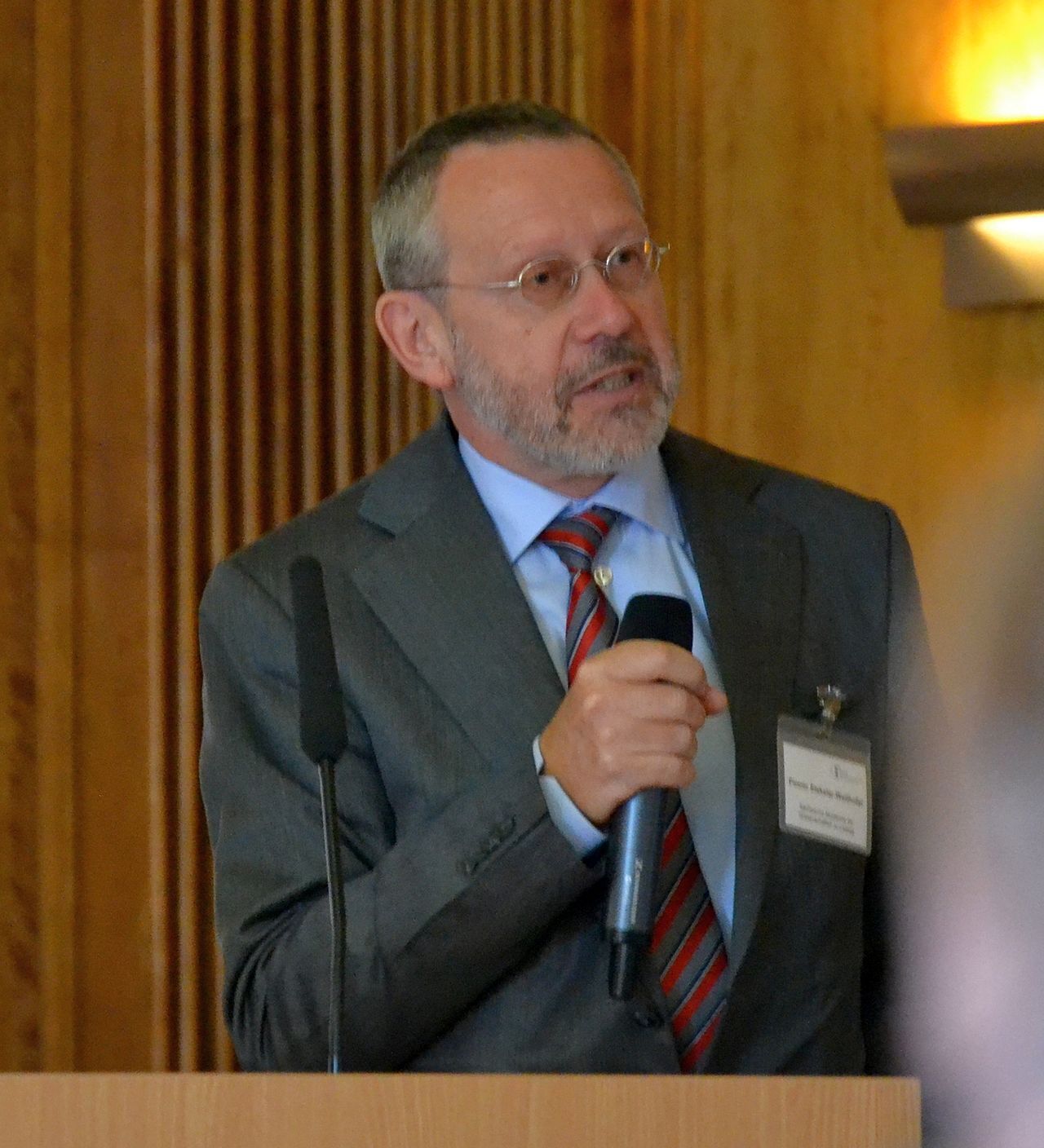
Pirmin Stekeler-Weithofer, "The Question of System: How to Read the Development from Kant to Hegel", Inquiry: An Interdisciplinary Journal of Philosophy, Vol. 49(1), 2006, p. 83 ChatGPT 번역 후 인용자 수정 & 인용자 강조.
갑자기 예전에 읽었던 피르민 슈테켈러-바이트호퍼의 논문 중 한 구절이 생각이 나서 올려봅니다. 얼마나 명쾌한 설명입니까! 헤겔이 말하는 '정신'이 별별 신비롭고, 미신적이고, 초자연적인 무엇인가가 아니라, "지적인 판단이나 행위를 가능하게 하는 일반적 조건"이라고 명확하게 규정해주니 말입니다. 일단, 이 단순한 사실에서 칸트 학자들과 헤겔 학자들 사이에 분명한 합의가 이루어진다면, 왜 헤겔이 칸트를 비판했고 칸트를 극복했다고 하는지, 그리고 칸트에 대한 헤겔 자신의 비판적 입장이 과연 옳은지 틀린지에 대해 훨씬 더 생산적인 토론이 가능할 텐데 말이에요.